November 2, 2026
Installing a swimming pool can transform an ordinary backyard into a space for relaxation, exercise, and entertainment. However, creating a functional and attractive pool involves more than excavation and filling it with water. Property conditions, construction materials, plumbing, electrical systems, drainage, and local regulations all influence the installation process. Without proper planning, homeowners may encounter expensive mistakes, construction delays, or maintenance challenges. Hiring experienced swimming pool installers can make the process more manageable while helping homeowners achieve their desired results. From evaluating the property to completing the finishing details, professionals provide valuable guidance throughout construction.
1. Evaluating Your Property Before Construction
Every backyard has unique characteristics that influence swimming pool construction. Soil conditions, slopes, drainage patterns, underground utilities, and available space can affect pool placement and design. A location that appears suitable may present challenges once excavation begins. Professional swimming pool installers evaluate these conditions before construction to identify potential obstacles and determine practical installation options. This assessment helps homeowners understand what their property can accommodate without compromising surrounding structures or landscaping.
Property evaluations also consider construction equipment access, existing patios, fences, trees, and nearby buildings. Limited access may require adjustments to equipment selection or construction methods. Professionals can identify areas where additional grading, drainage improvements, or preparation may be necessary. Addressing these considerations early can reduce unexpected complications and help establish a realistic project timeline. A thorough evaluation provides a foundation for designing a pool that works with the property's existing conditions.
2. Designing a Pool That Fits Your Needs
Swimming pools come in numerous shapes, sizes, depths, and configurations. Choosing the right design requires considering how the pool will be used. Families with children may prioritize shallow areas and convenient entry points, while homeowners interested in exercise might prefer longer swimming areas. Others may want integrated seating, decorative water features, or entertainment space. Professional designers can help translate these preferences into a practical layout that complements the surrounding property.
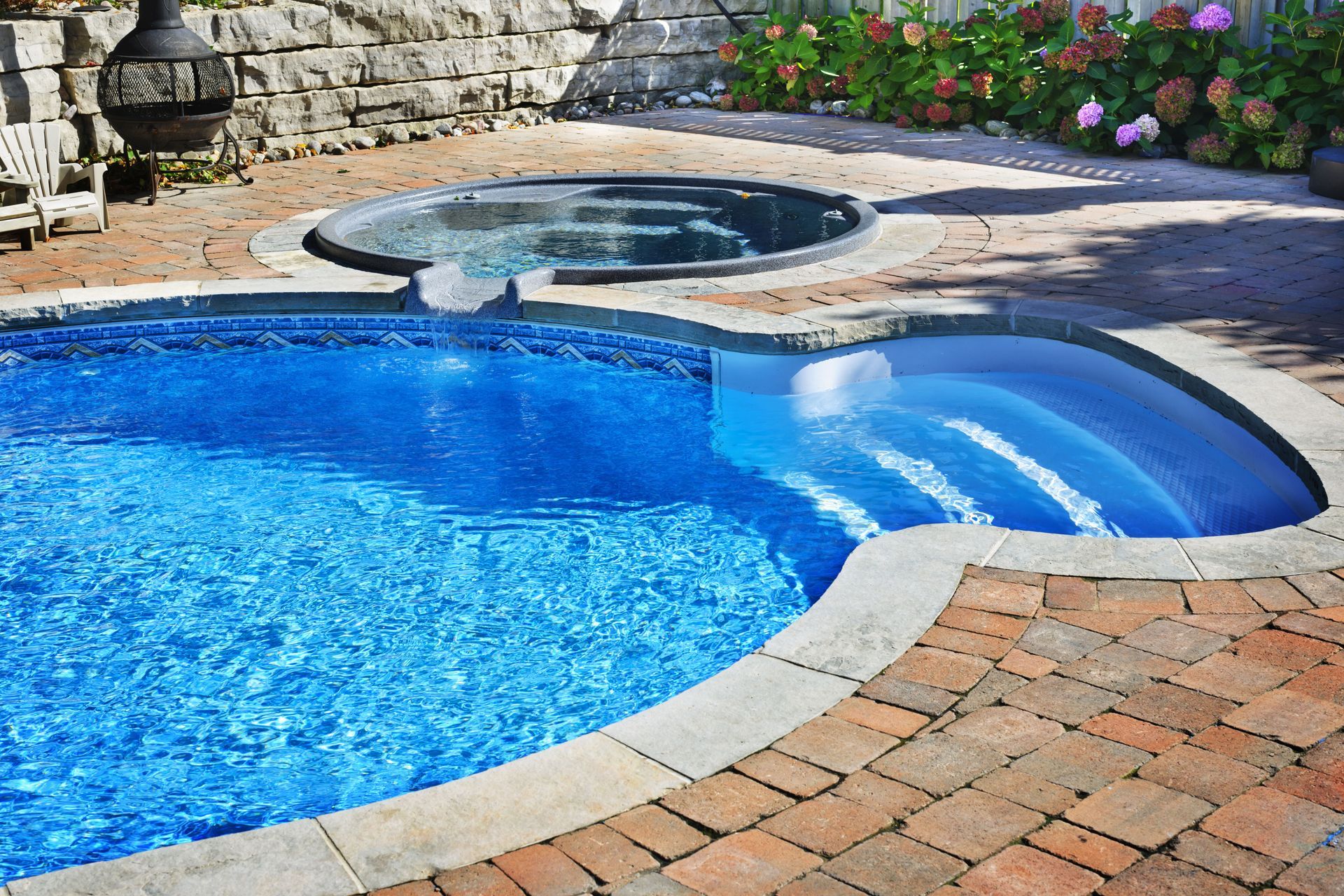
Experienced swimming pool installers can explain how design decisions affect construction requirements, maintenance responsibilities, and costs. Features such as tanning ledges, attached spas, waterfalls, and specialized lighting may require additional equipment or structural considerations. Professionals help homeowners compare materials, finishes, and configurations while considering their budgets. This guidance can prevent homeowners from selecting features that look appealing but do not match their intended use or maintenance expectations.
3. Managing Permits and Building Requirements
Pool construction commonly involves building permits, inspections, and compliance with local regulations. Requirements may address property setbacks, electrical installations, drainage, safety barriers, and structural specifications. Homeowners may also need to consider homeowners association restrictions or additional approvals. Navigating these requirements independently can be confusing, particularly when different agencies oversee separate construction activities. Professional contractors understand the importance of identifying applicable requirements before work begins.
Qualified swimming pool installers can assist with permit applications, construction plans, and required inspections according to local procedures. They can also explain safety requirements involving fencing, gates, alarms, and protective features. Following applicable regulations helps reduce construction interruptions, failed inspections, or expensive modifications. Proper documentation may also become valuable when homeowners eventually sell their properties. Addressing regulatory considerations early supports an organized installation process and helps prevent unnecessary setbacks.
4. Coordinating Specialized Construction Tasks
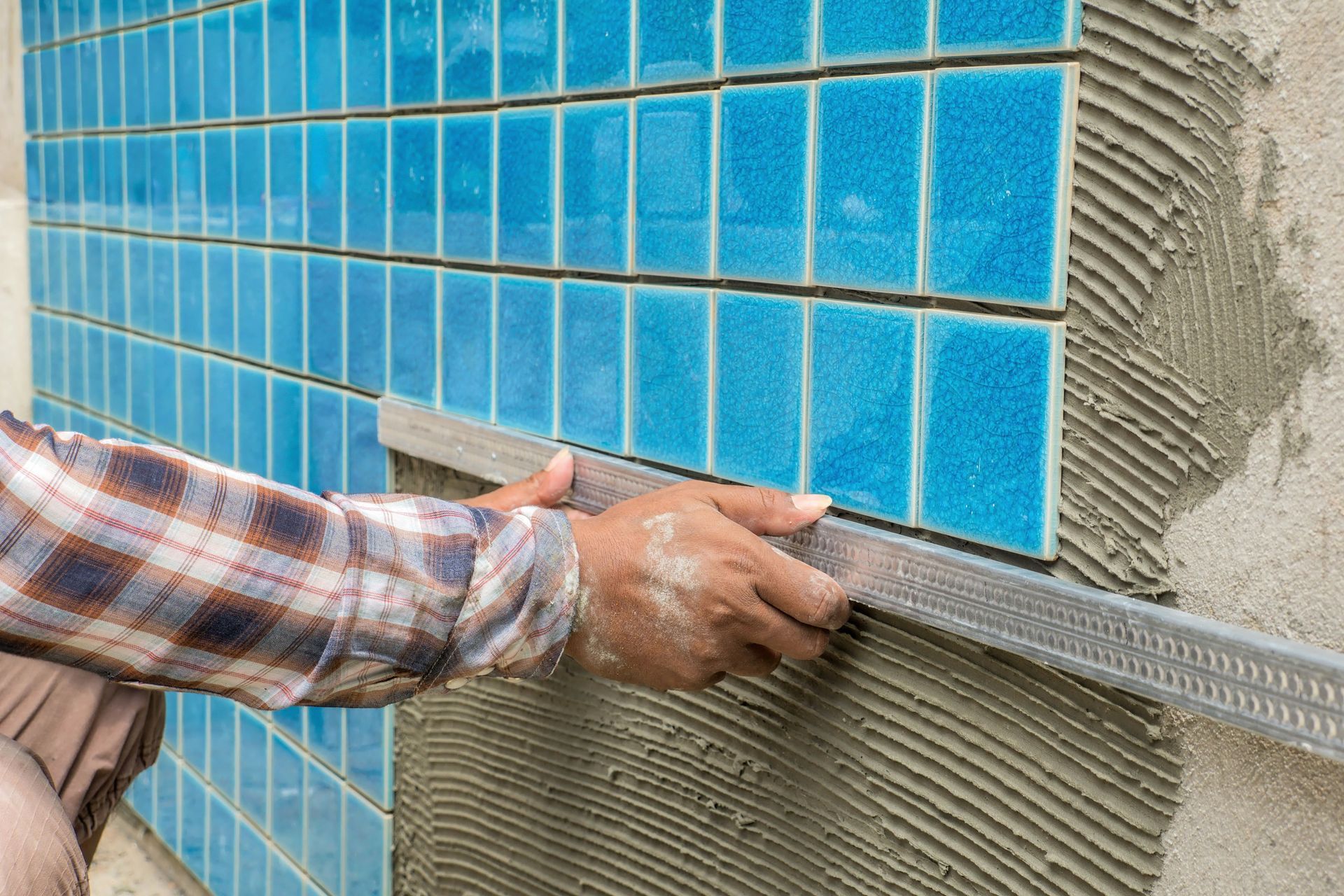
Building a swimming pool requires several specialized construction activities that must occur in the correct sequence. Excavation, structural preparation, plumbing installation, electrical work, equipment placement, and finishing involve different technical requirements. Poor coordination can create delays or problems that become difficult to correct as construction progresses. Professional installation teams understand how these activities connect and can organize the work to maintain consistent progress throughout the project.
Experienced swimming pool installers coordinate with qualified specialists when particular tasks require additional expertise or licensing. Electrical connections, structural work, and equipment installation must meet applicable standards and manufacturer specifications. Proper scheduling helps prevent situations where one phase finishes before necessary preparations for another are completed. Contractors can monitor progress, address unexpected site conditions, and communicate changes to homeowners. This approach reduces the burden of managing multiple construction activities independently.
5. Selecting Durable Materials and Equipment
Construction materials influence a pool's appearance, durability, and maintenance requirements. Homeowners may compare concrete, fiberglass, or vinyl-lined options, depending on available installation methods. Each material has different characteristics involving customization, installation, surface maintenance, and potential repairs. Professional contractors can explain these differences and help homeowners determine which options suit their budgets, property conditions, and long-term expectations. Understanding material limitations before construction can prevent unnecessary disappointment.
Equipment selection is equally important because pumps, filters, heaters, and circulation systems affect everyday operation. Correctly sized components help maintain appropriate water circulation and filtration without unnecessary operating demands. Professionals can recommend equipment compatible with the pool's dimensions and intended features. They can also discuss energy-efficient options, automation controls, and maintenance accessibility. Selecting appropriate materials and equipment during construction can reduce complications and make routine pool ownership more convenient.
6. Preventing Expensive Installation Mistakes
Pool construction mistakes can become particularly expensive because essential components are often buried or enclosed within finished surfaces. Improper plumbing connections may cause leaks, inadequate drainage can affect surrounding areas, and structural problems may require extensive corrective work. Errors involving equipment placement or electrical connections can also interfere with safe operation. Professional swimming pool installers follow established construction practices to identify potential concerns before they develop into larger problems.
Hiring professionals does not eliminate every construction challenge, but it provides access to experience and procedures designed to manage common risks. Contractors can recognize warning signs during excavation, verify important measurements, and address installation issues before subsequent construction stages conceal them. Homeowners may also receive workmanship warranties and manufacturer coverage, depending on their agreements. Reviewing these protections before signing a contract helps clarify responsibilities if problems arise after installation.
7. Preparing Your Pool for Long-Term Enjoyment
A completed swimming pool should support convenient operation and ongoing maintenance. Proper circulation, filtration, water treatment, and equipment accessibility contribute to the ownership experience. According to RubyHome, the United States is home to approximately 10.7 million swimming pools. For homeowners considering adding a pool to their property, understanding maintenance requirements before installation can help establish realistic expectations about the responsibilities and expenses involved.
Professional swimming pool installers can explain startup procedures, equipment operation, water chemistry, and recommended maintenance schedules. They may demonstrate how to operate filtration controls, adjust settings, and recognize conditions requiring professional attention. Some contractors also provide maintenance services or recommendations for ongoing care. Understanding these responsibilities helps homeowners protect their investment and enjoy their pool with greater confidence. Proper preparation makes the transition from construction to regular use easier.
8. Improving Your Outdoor Living Experience
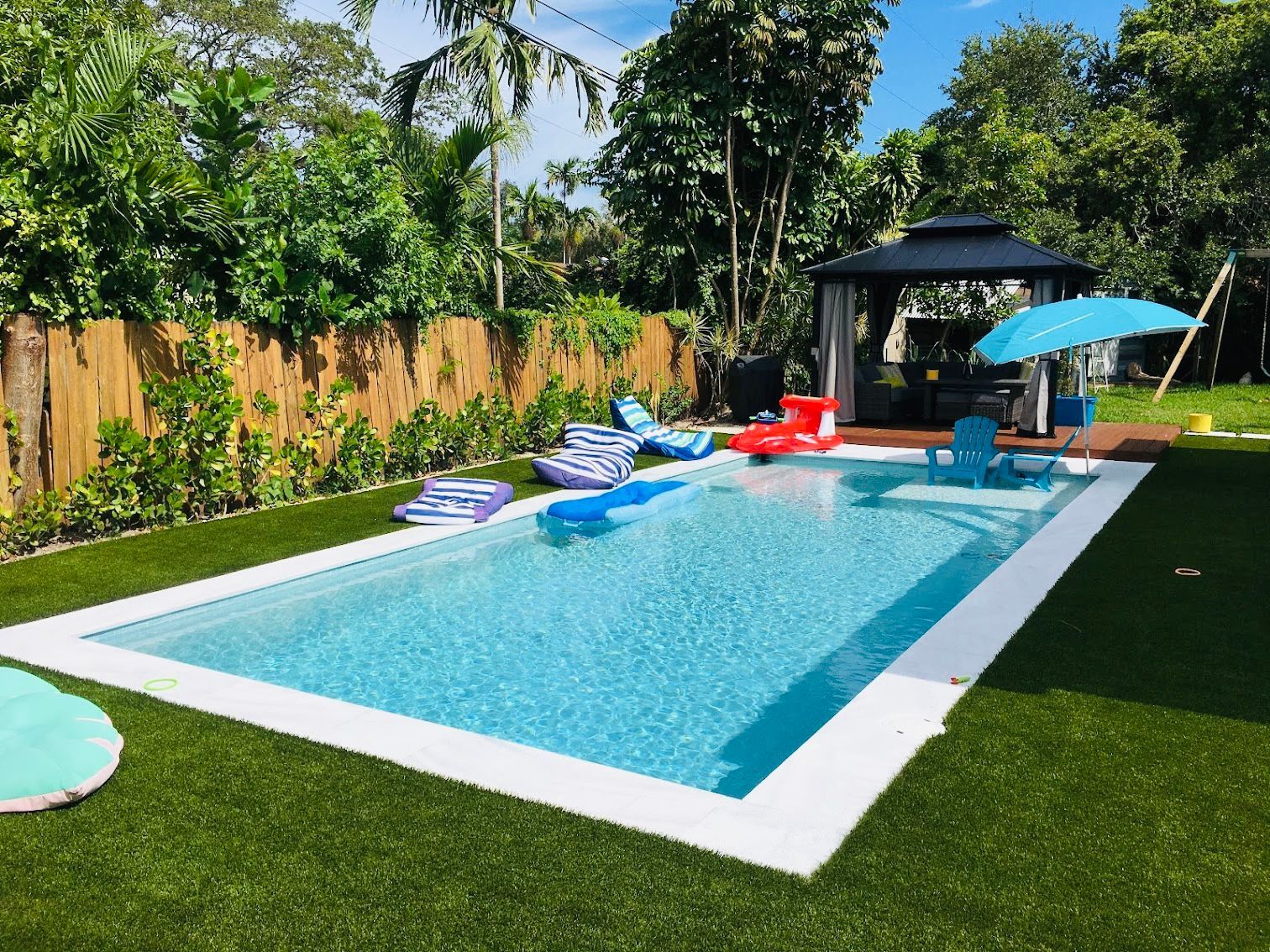
A swimming pool can become the centerpiece of a larger outdoor living area. Thoughtful placement can connect the pool with patios, seating areas, landscaping, and outdoor kitchens while preserving convenient walking paths. Professional planning helps homeowners consider how people will move through the backyard and how the pool complements existing features. This broader perspective can create a cohesive outdoor environment rather than treating the pool as an isolated addition.
Professionals can also help homeowners consider future improvements during installation. Planning for additional lighting, shade structures, or expanded entertainment areas may influence utility placement and surrounding hardscaping. Incorporating these possibilities early can make later upgrades easier to accommodate. A carefully planned pool area provides opportunities for family gatherings, recreation, and relaxation while making better use of available outdoor space. These improvements can support everyday activities and special occasions.
Installing a swimming pool requires careful planning, technical knowledge, and coordination throughout construction. From evaluating property conditions and developing a functional design to managing permits, selecting equipment, and preparing for maintenance, professional assistance can make a meaningful difference. Hiring experienced swimming pool installers helps homeowners approach the project with clearer expectations while reducing the likelihood of preventable construction problems. A well-planned installation can create an attractive outdoor space that supports recreation and relaxation for years. If you are ready to explore the possibilities for your backyard, contact BAFCO POOLS to discuss your swimming pool installation project and take the first step toward creating your ideal outdoor retreat.